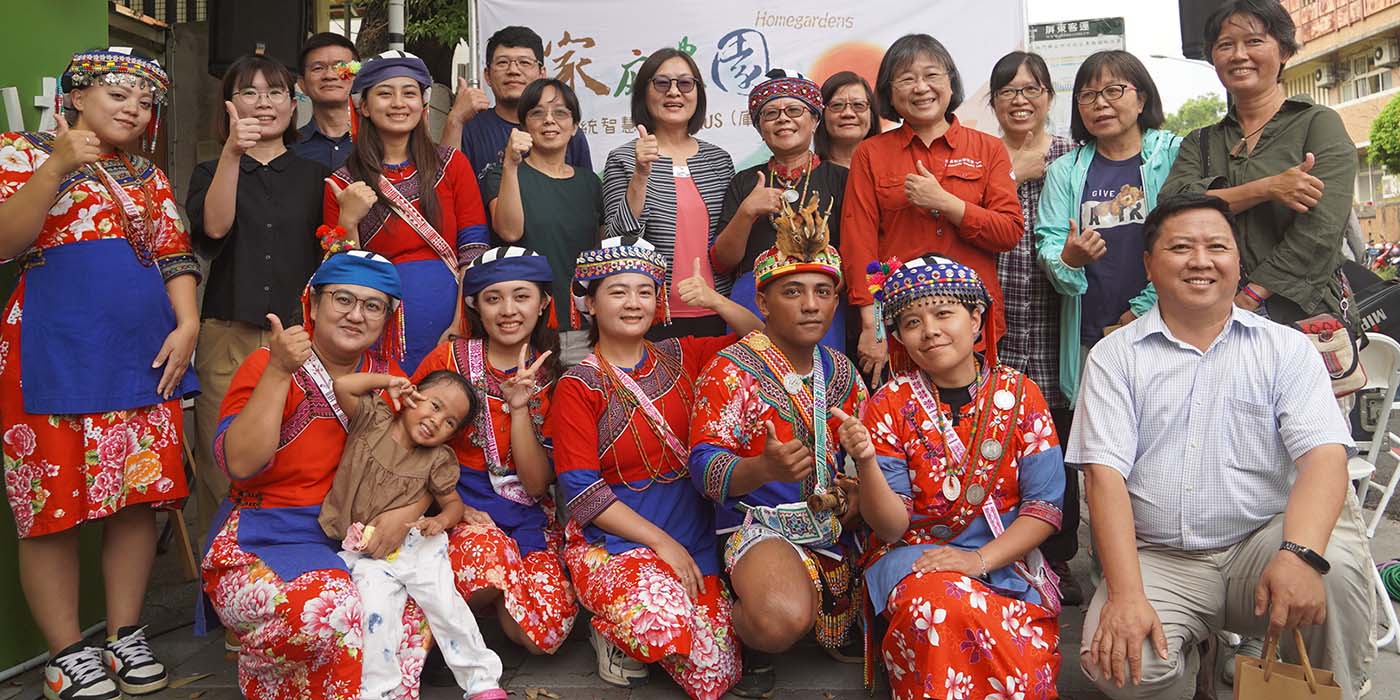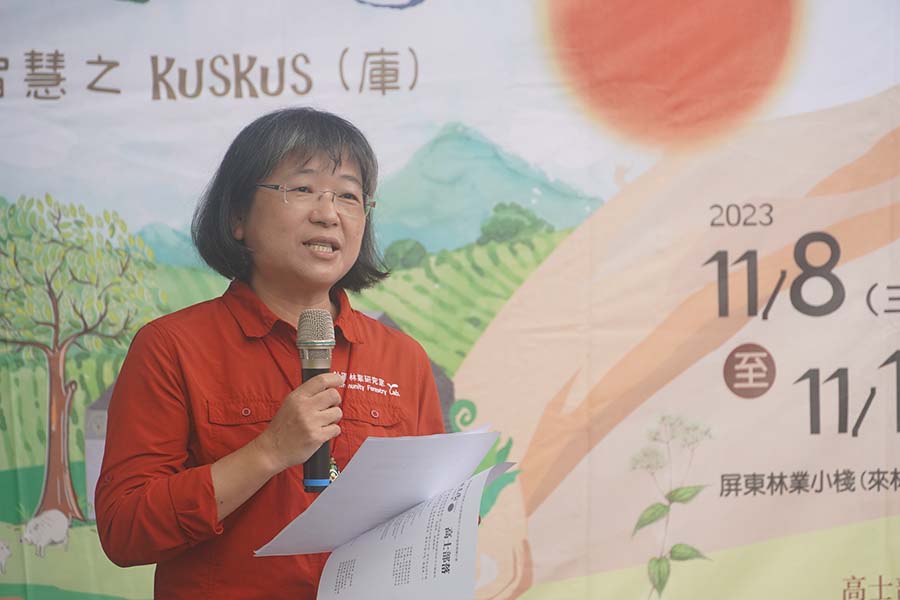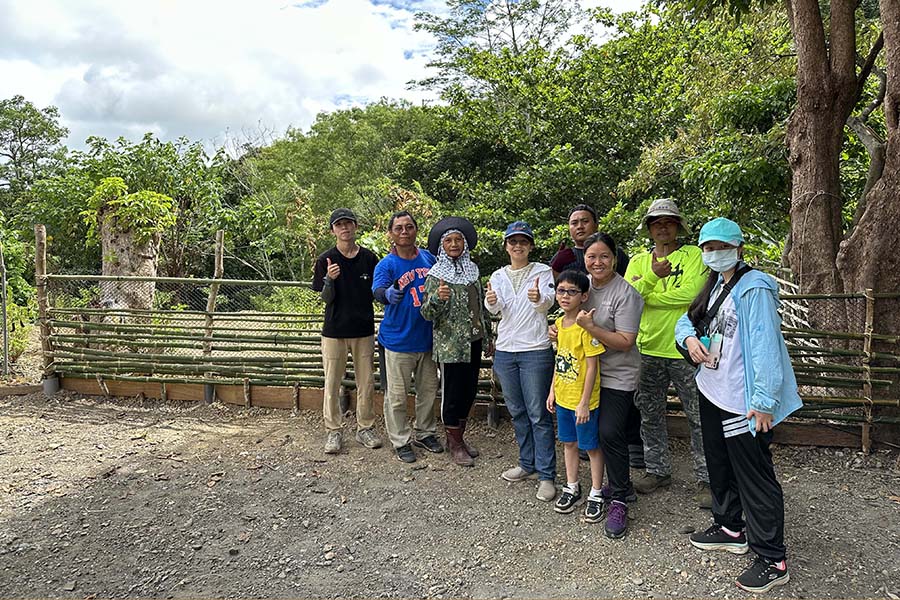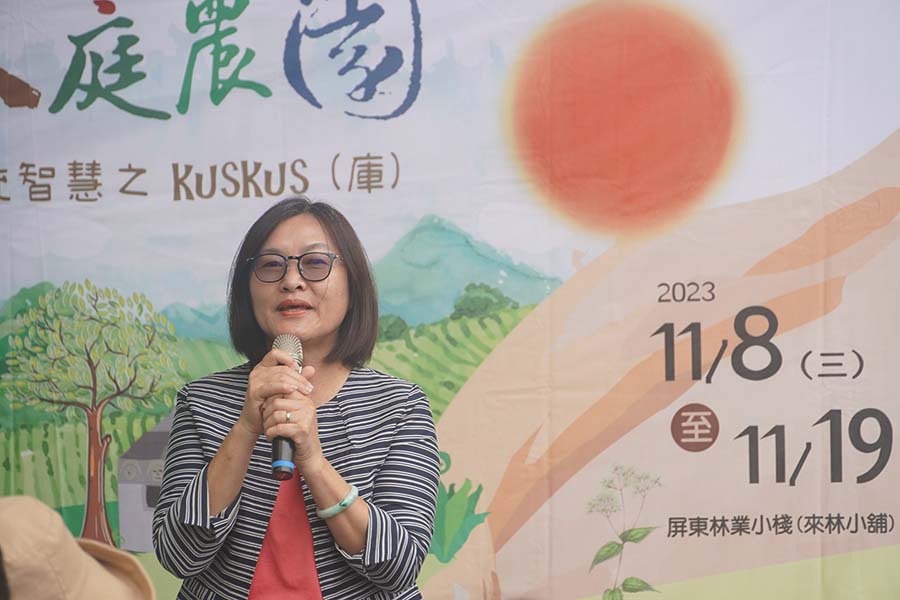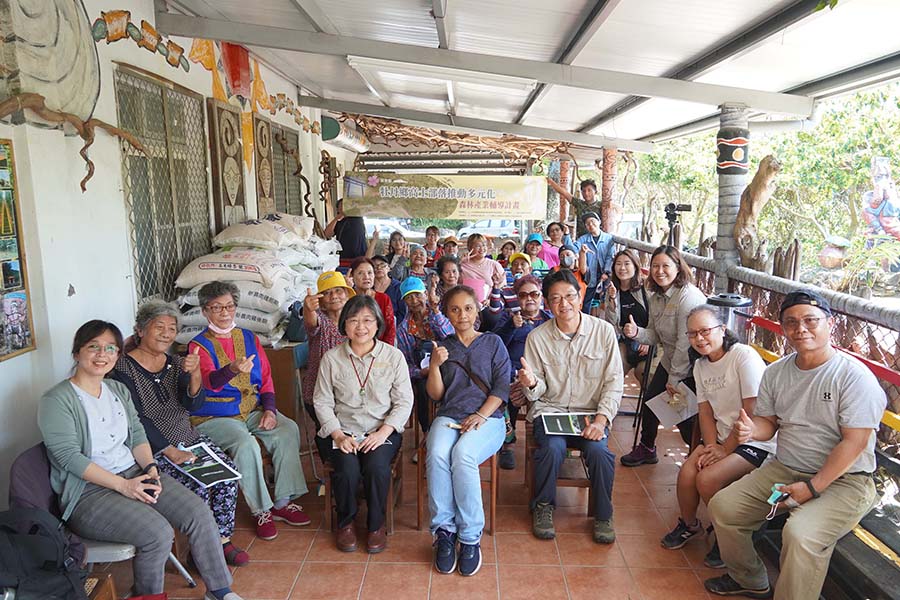


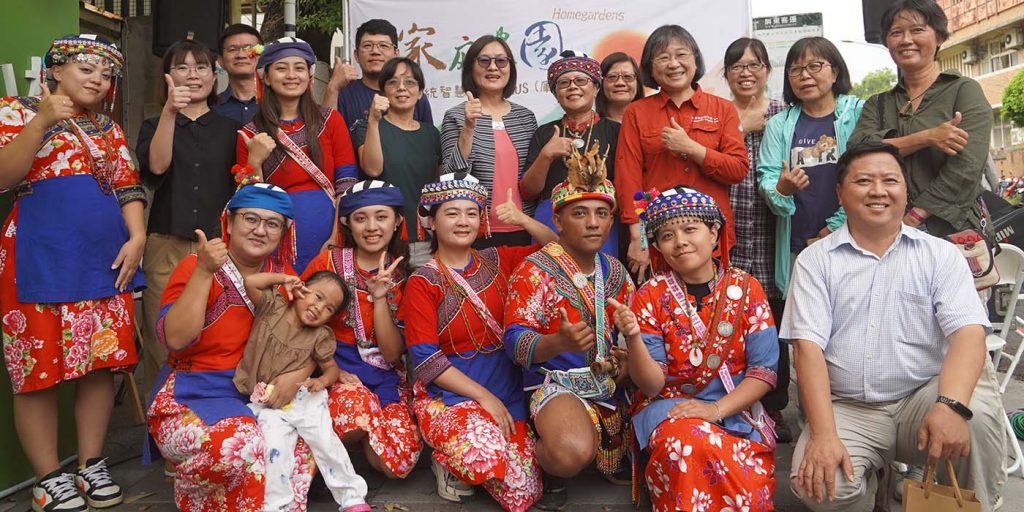
Commissioned by the Pingtung Branch of the Forestry and Nature Conservation Agency (FNCA), Professor Mei-Hui Chen and her team from the Department of Forestry at NPUST collaborated with the Gausu Community Development Association, Gausu Tribal Youth Association, tribal elders from the Cultural Health Station, and experts from the Hengchun Research Center of the Taiwan Forestry Research Institute. Together, they held the “Gausu Tribe Homegarden and Gausufo-Named Plant Exhibition” at 10:30 AM today (11/8) at the FNCA Pingtung Forestry Service Cabin. The opening ceremony was presided over by Branch Director Yang Jui-Fen, and began warmly with two traditional tribal songs: the “Tree-Felling Song” and a “Lullaby.”
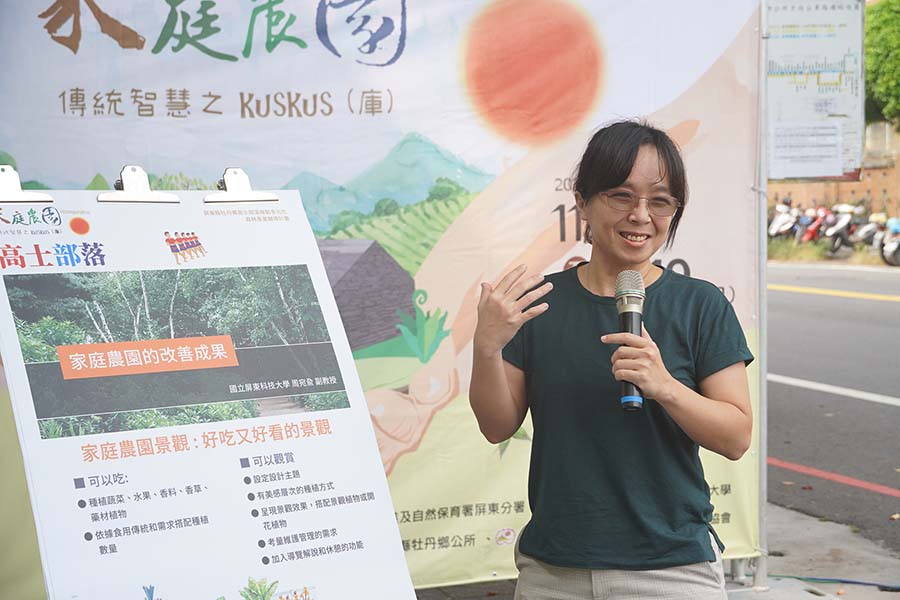
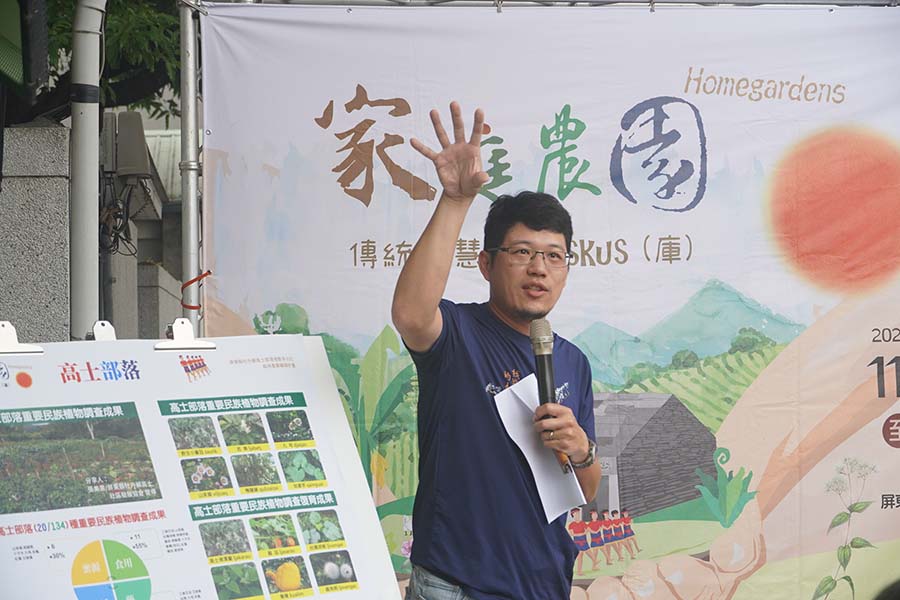
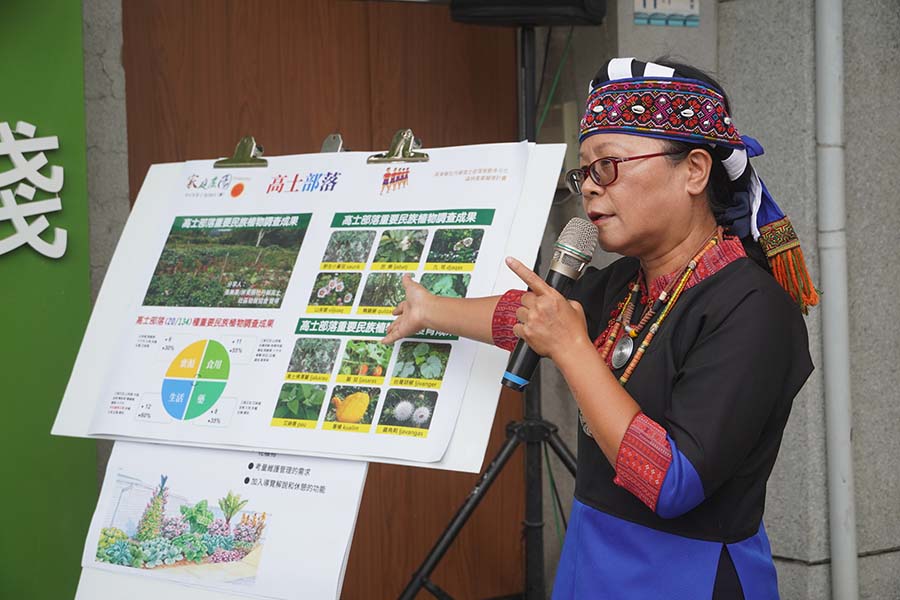
Four experts involved in the project were invited to share outcomes, while representatives from the Kaohsiung District Agricultural Research and Extension Station, Agriculture and Food Agency Southern Branch, Biodiversity Research Institute, and Pingtung County Government attended the event to show their support for the development of Homegardens.
The project identified 332 plant species across 21 homegardens in the Gausu Tribe, categorized into 12 crop types such as grains, spices, ornamental fragrant plants, medicinal plants, and fruits. The survey revealed 118 tree species, 67 vegetable species, and 63 ornamental fragrant plants, reflecting the tribe’s unique multilayered agroforestry system. Additionally, 18 species associated with “Gausufo”—a historical name linked to the tribe—were documented comprehensively for the first time.
With support from the FNCA and the research team, tribal elders and youth worked hand-in-hand to identify 25 culturally important ethnobotanical species, collecting and documenting them through photography to preserve traditional knowledge. The project also developed two unique local gift products, enriching the diversity and economic potential of the Gausu Tribe’s forest-based industries.
Director Yang stated:
“Almost every tribal household has a homegarden. Beyond food self-sufficiency, these gardens enable quick recovery after disasters—this is the strength of a resilient community. Through resilience assessments, we learned that tribal members hope to develop the local economy, preserve cultural heritage, and maintain food diversity. Together with NPUST and Professor Chen’s team, we decided to revitalize ethnobotanical plants through homegardens, allowing elders to pass on traditional knowledge to the youth and forming a foundation for diverse forest industries rooted in cultural heritage.”
Professor Mei-Hui Chen added:
“Homegardens are a form of agroforestry—a small-scale, intensive, multilayered system that integrates useful trees and crops. They represent food forests, edible gardens, or edible landscapes, offering biodiversity conservation, food security, on-site seed preservation, cultural identity, and enhanced community resilience. They should be promoted widely across tribal communities.”
“Gausufo” refers to the historical Gausufo Village of Mudan Township, known from the 1874 Mudan Incident. Located on the Hengchun Peninsula at the climatic boundary between the southeast and southwest regions, the area is ideal for plant dispersal and migration. This geographical intersection has led botanists to view it as a site of unique significance. Assistant Professor Yang Chih-Kai from NPUST highlighted that early Japanese-era researchers—such as Sasaki Shun’ichi, Soma Teizaburō, and Hayata Bunzō—recorded over ten plant species named after “Gausufo (Kuskus).” This project identified 18 species, including Gausufo Eupatorium, Gausufo Ardisia, Gausufo Cyclobalanopsis, and Gausufo Syzygium, with the latter being an essential construction material for the tribe.
Gausu Tribe Supervisor Chang Mei-Hui expressed gratitude to the FNCA for supporting ethnobotanical conservation and restoration efforts:
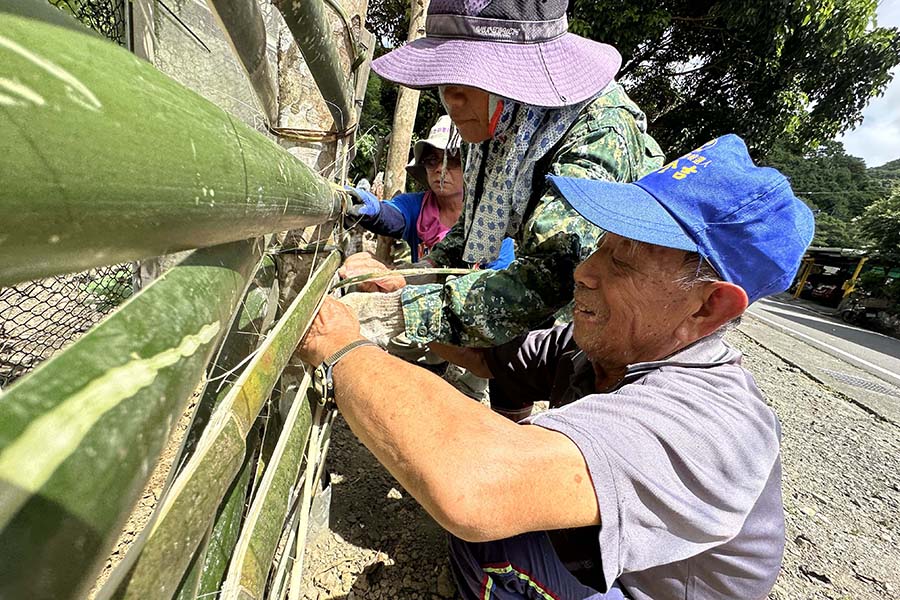
“With NPUST and landscape expertise from Associate Professor Chou Wan-Yu, more than ten households have participated in establishing homegardens. These homegardens serve as living demonstrations of traditional food-growing practices and plant knowledge, ensuring that cultural wisdom is truly planted back into the land and passed on to future generations.”
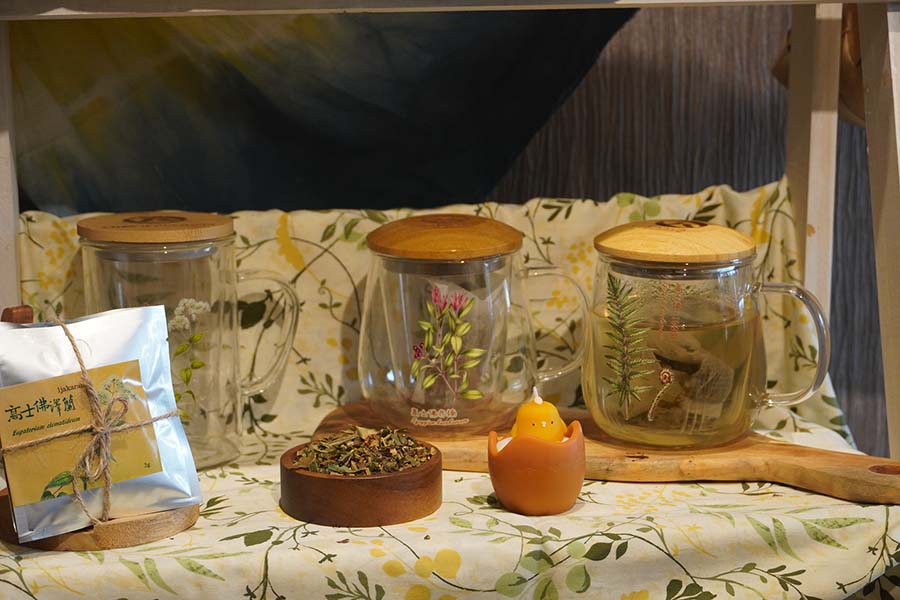
Through joint efforts between NPUST and the FNCA, the tribe was encouraged to develop diverse forest industries. The two featured products—
• Gausufo Herbal Tea Cup Set featuring Gausufo Eupatorium tea bags
• Beeswax Candle infused with natural hydrosols of shell ginger, Japanese pepper, and wild ginger lily
—enhance both cultural identity and product diversity, establishing the Gausu Tribe as a model community under the Satoyama Initiative.
Exhibition Period: Nov. 8–Nov. 19, 2023
Thematic Talks:
- 11/11 (Sat), 3:00–4:00 PM – Prof. Mei-Hui Chen, NPUST Forestry Dept.: Understanding Homegardens
- 11/18 (Sat), 3:00–4:00 PM – Asst. Prof. Yang Chih-Kai, NPUST Forestry Dept.: Plant Secrets of the Hengchun Peninsula – Gausufo
- 11/19 (Sun) – Dr. Lin Wen-Chih, Hengchun Research Center, TFRI: Traditional Ecological Knowledge of the Gausu Tribe